
Call Now
Lake Manyara National Park is one of Tanzania’s most picturesque wildlife destinations, celebrated for its diverse ecosystems, tree-climbing lions, and breathtaking views of the Great Rift Valley. Nestled between the dramatic escarpment and the sparkling alkaline lake, the park offers a unique safari experience rich in wildlife, birdlife, and natural beauty.
Despite its relatively compact size, Lake Manyara National Park boasts an incredible variety of landscapes ranging from lush groundwater forests and open grasslands to acacia woodlands and the shallow soda lake itself.
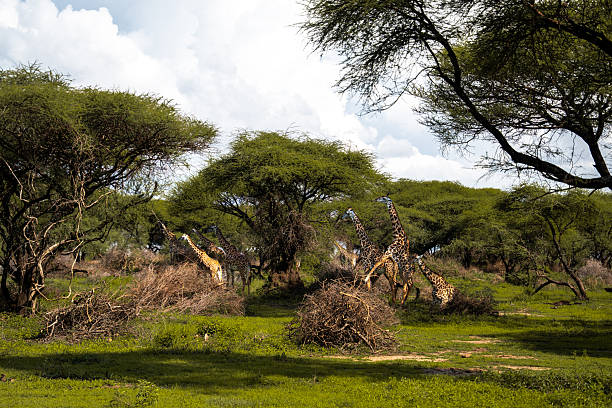
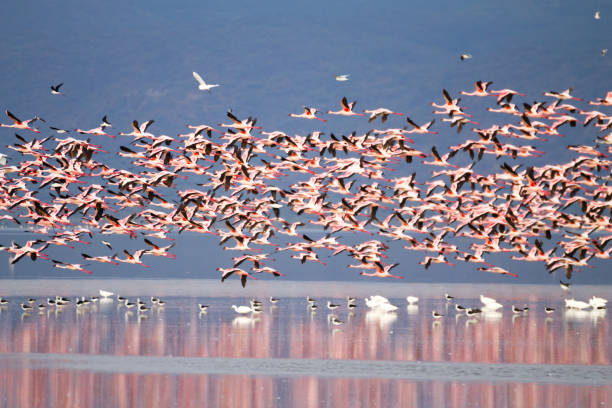
Lake Manyara National Park offers a stunning blend of scenery and wildlife within a compact area. The lush forest near the entrance is filled with playful blue monkeys and baboons, while the open plains and lakeshore provide excellent opportunities for game viewing and photography.
The park’s groundwater forest, fed by underground springs from the Rift Valley escarpment, creates a refreshing contrast to the dry savannah landscapes commonly associated with East African safaris.
Whether you are watching elephants move through the forest, spotting flamingos along the lake shores, or searching for the famous tree-climbing lions, Lake Manyara promises an intimate and unforgettable safari experience.
The park can be visited year-round, but the dry season from June to October offers excellent wildlife viewing, while the wet season provides lush scenery and spectacular birdwatching opportunities.
Lake Manyara National Park covers approximately 330 square kilometers (127 square miles), with nearly two-thirds of the park occupied by the lake itself.
Lake Manyara is famous for its tree-climbing lions, large flamingo populations, scenic Rift Valley landscapes, and rich biodiversity packed into a relatively small area.
Join the circle of life on the endless plains.