
Call Now
Mount Kenya is the highest mountain in Kenya and the second-highest in Africa, after Kilimanjaro. A UNESCO World Heritage site, it is a place of pristine wilderness, featuring stunning glaciers, unique alpine flora, and diverse wildlife that makes it a true natural wonder of the world.
Whether you are a professional climber or a casual hiker, Mount Kenya offers several routes through varying ecological zones, from dense rainforests and bamboo belts to the spectacular high-altitude moorlands.
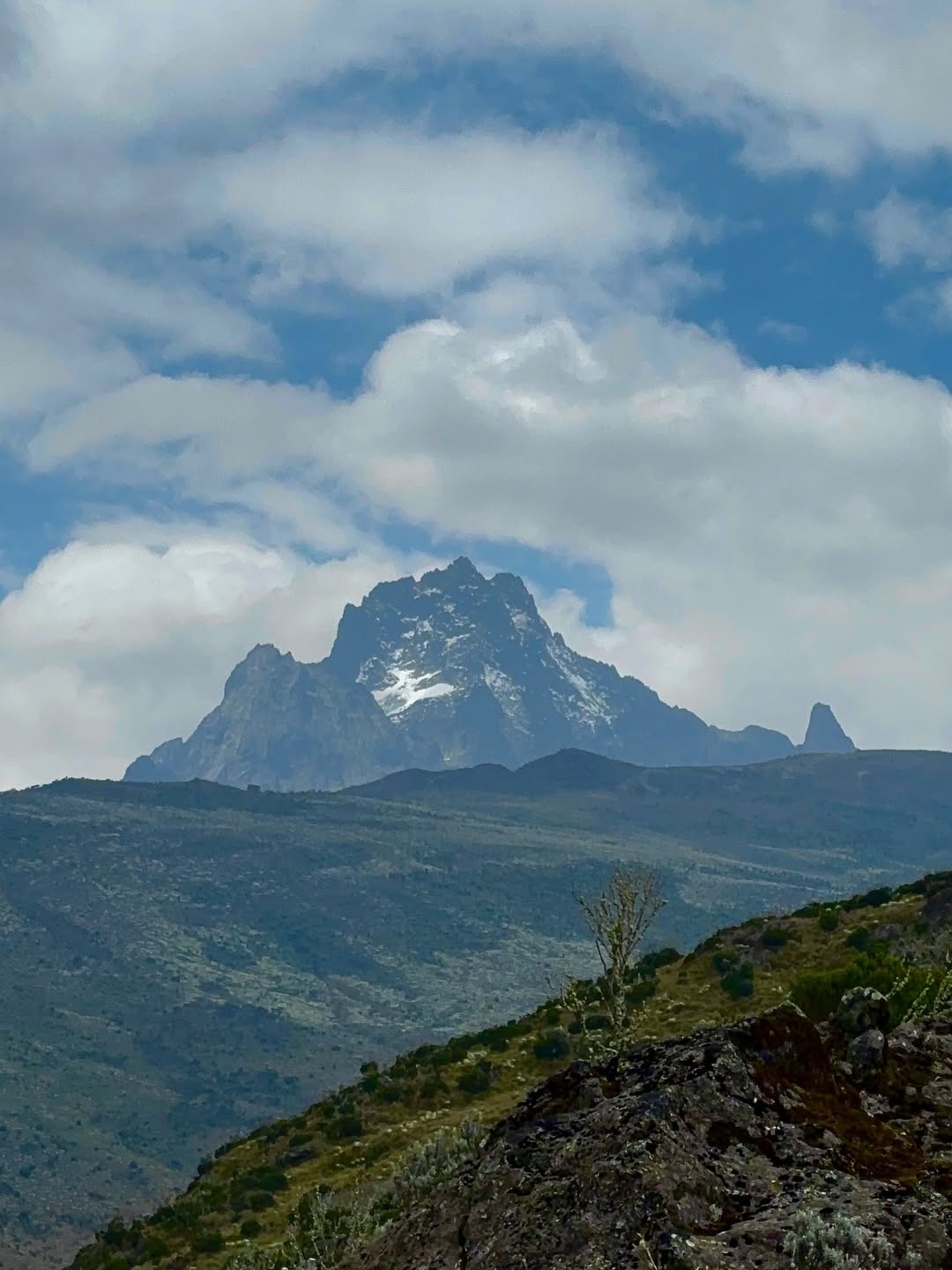
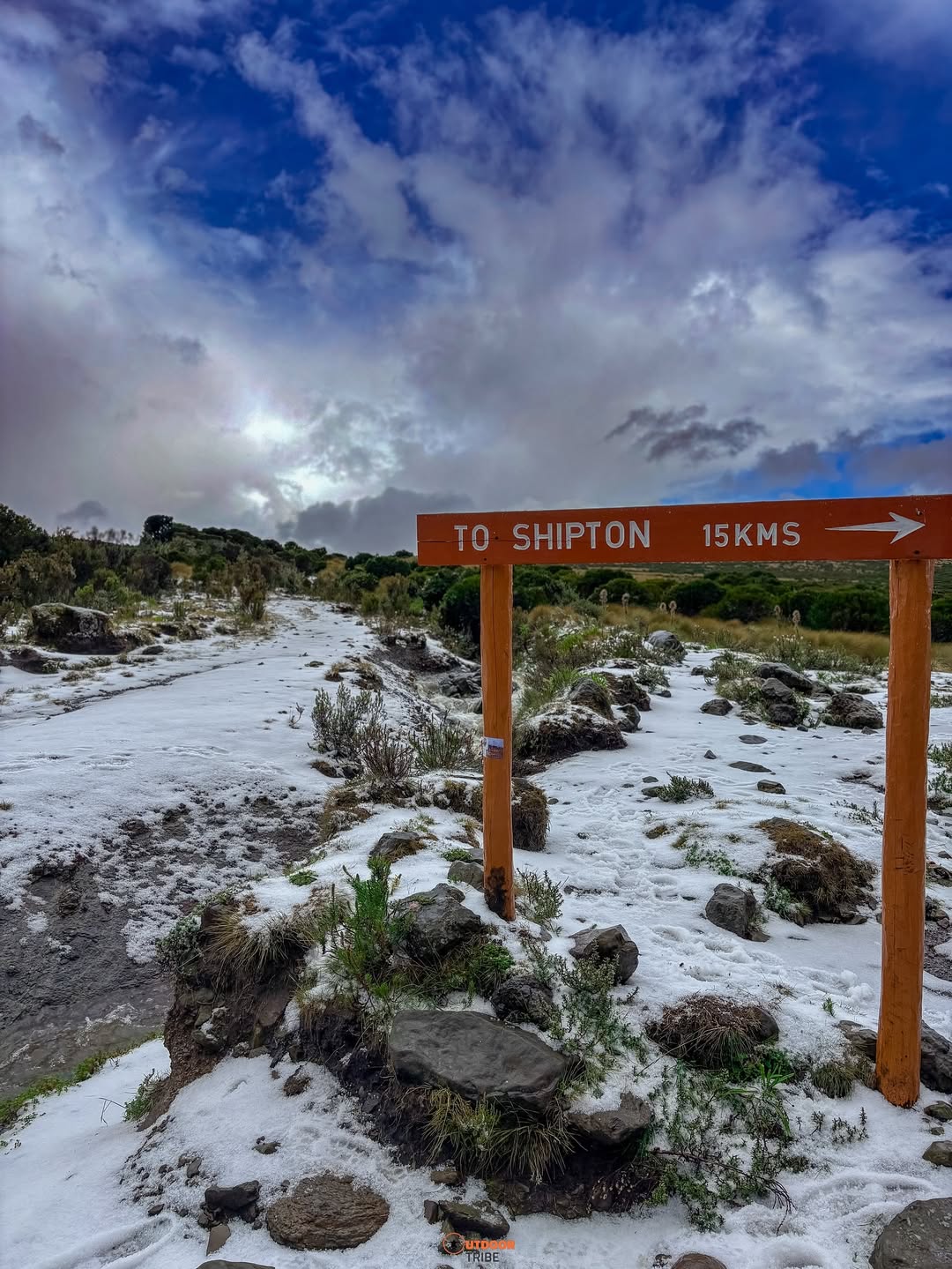
The mountain is home to a variety of wildlife adapted to high altitudes, including the rare suni antelope, black-fronted duiker, and Sykes' monkeys. For the keen observer, the mountain's lower slopes also host elephants, buffaloes, and leopards emerging from the forest cover.
Managed by Kenya Wildlife Service, the park ensures the preservation of this vital water catchment area, providing life-sustaining resources to millions downstream while offering a sanctuary for those looking to conquer the peaks.
No, Point Lenana (4,985m) is a trekker's peak accessible to anyone with good physical fitness and determination. Only the highest peaks, Batian and Nelion, require technical rock climbing experience.
The best months are during the dry seasons from January to February and late August to September. During these times, the weather is clear, offering the best visibility and safer trekking conditions.
The mountain features unique "afro-alpine" vegetation, including giant lobelias and groundsels that have adapted to the "hot day, freezing night" cycle of the equator highlands, creating a prehistoric landscape feel.
Challenge yourself on Africa's legendary peak.