Call Now
Serengeti National Park, whose name means "endless plains" in the Maasai language, is one of the world's most famous wildlife sanctuaries. Located in northern Tanzania, this massive ecosystem host the Great Migration, the largest and most pristine animal migration on Earth, making it a legendary destination for any traveler.
The crown jewel is the Great Migration, where over two million wildebeest, zebras, and gazelles embark on a 1,000 km annual trek. Combined with its status as a UNESCO World Heritage site, the Serengeti offers a raw, unfiltered safari experience.
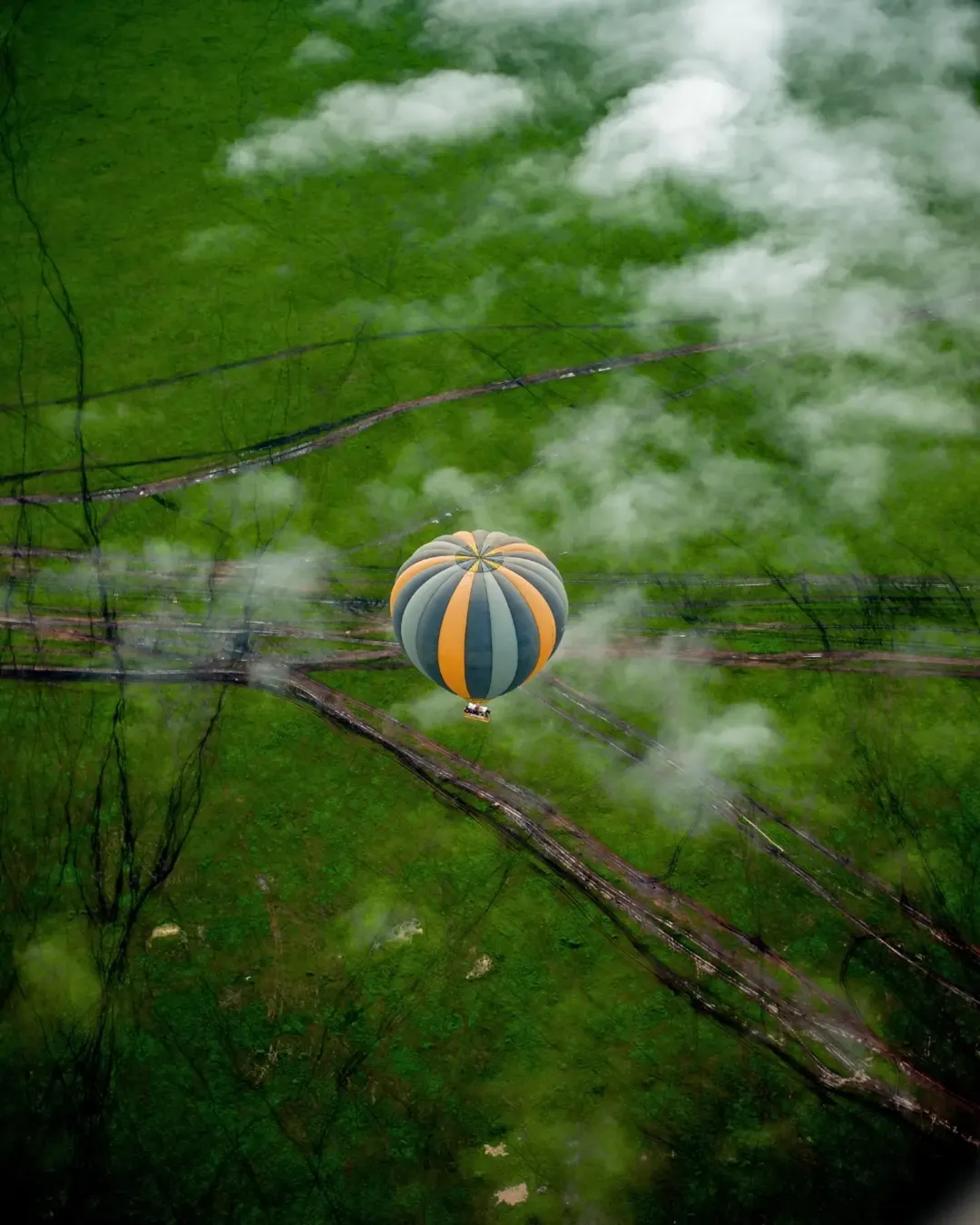
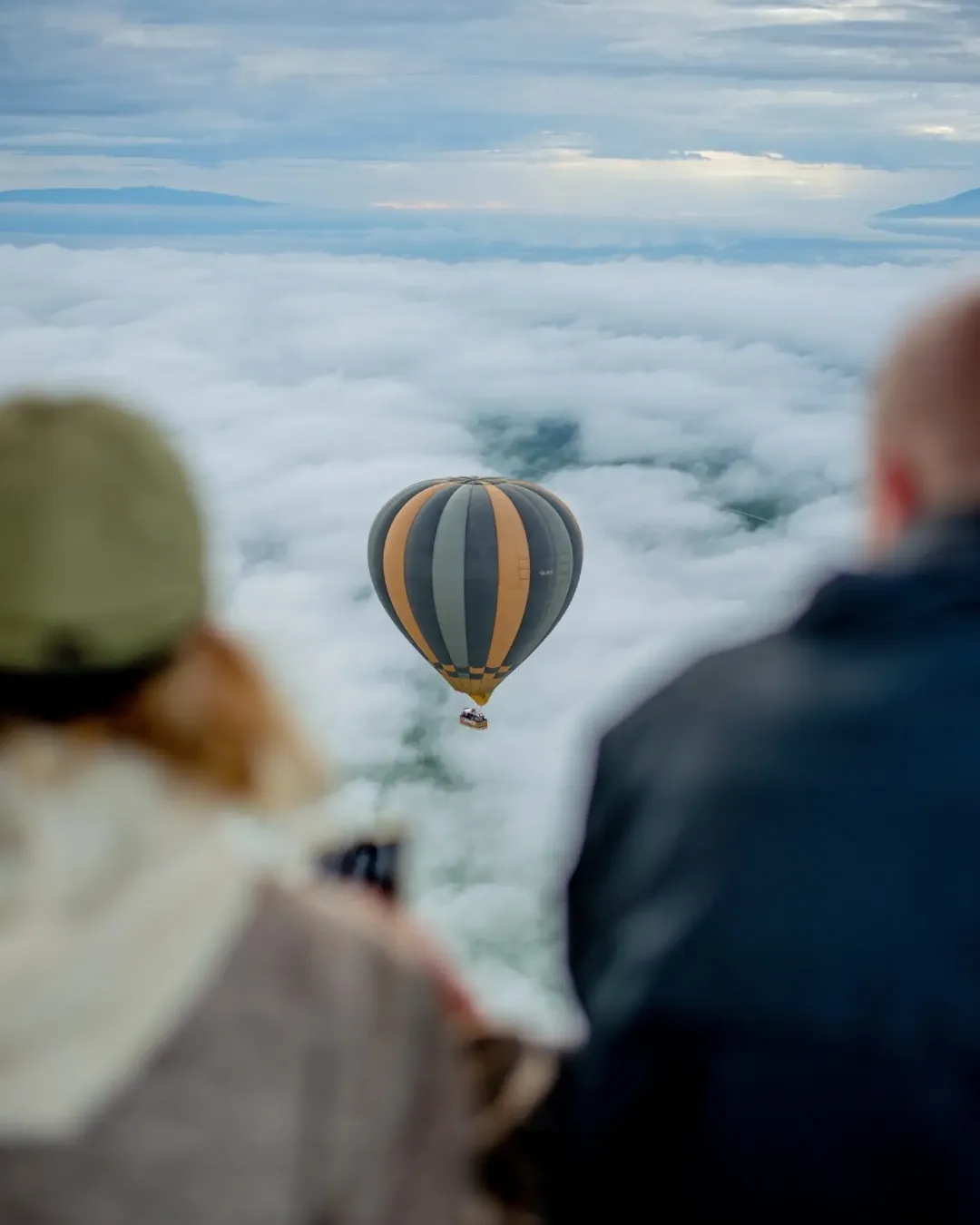
The Serengeti offers a year-round wildlife experience that is second to none. Beyond the migratory herds, you'll find the "Big Five" and over 500 species of birds. The landscape shifts from the short-grass plains of the south to the riverine forests and woodlands of the north and west, each offering a unique safari perspective.
Whether you're visiting for the calving season in the south or the dramatic river crossings in the north, the Serengeti promises a connection to nature that is both profound and unforgettable.
The migration moves year-round. January to March is great for calving in the south, while July to October is best for the dramatic river crossings in the northern Serengeti near the border with Kenya.
The park covers approximately 14,750 square kilometers (5,700 square miles). It is part of a much larger ecosystem that includes the Ngorongoro Conservation Area and the Maasai Mara in Kenya.
Kopjes are ancient granite rock formations that rise like islands from the flat savanna. They provide essential shade, water catchments, and vantage points for predators like lions and leopards to spot prey.
Join the circle of life on the endless plains.