
Call Now
Ngorongoro Crater, often referred to as the “Eighth Wonder of the World,†is one of Africa’s most extraordinary safari destinations. Located in northern Tanzania, this UNESCO World Heritage Site is the world’s largest intact volcanic caldera and offers one of the most remarkable wildlife viewing experiences on Earth.
Formed millions of years ago after a massive volcanic eruption, the crater creates a unique natural sanctuary where wildlife thrives year-round within its lush grasslands, forests, and soda lakes.
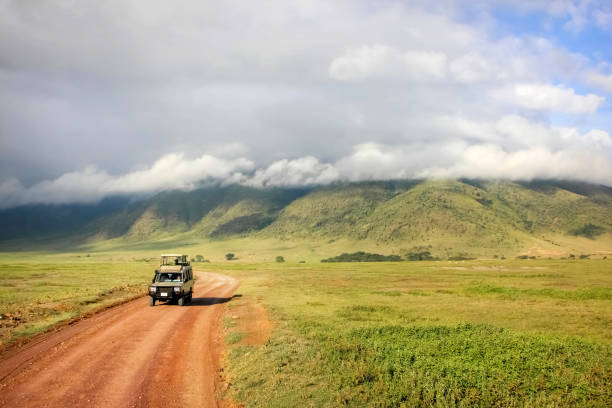
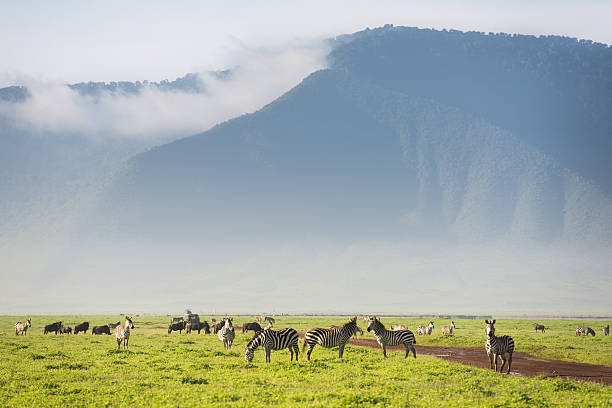
The Ngorongoro Conservation Area supports a diverse ecosystem where wildlife and the Maasai people coexist harmoniously. Visitors can enjoy year-round game viewing thanks to the permanent water sources and fertile grazing grounds found within the crater floor.
Whether you are witnessing elephants roaming through Lerai Forest, lions resting in the open plains, or flamingos gathering around Lake Magadi, every moment in Ngorongoro Crater offers a deep connection to Africa’s untouched wilderness.
Ngorongoro Crater can be visited throughout the year due to its abundant resident wildlife and mild climate. The dry season from June to October offers excellent wildlife viewing, while the green season provides lush scenery and fewer crowds.
The crater spans approximately 260 square kilometers (100 square miles) and is about 600 meters deep, making it the world’s largest unbroken volcanic caldera.
Ngorongoro is unique because it forms a natural enclosure that supports one of the densest populations of wildlife in Africa. Its combination of dramatic scenery, rich biodiversity, and cultural heritage makes it one of the continent’s most iconic safari destinations.
Join the circle of life on the endless plains.